The ADKAR model – a framework for change
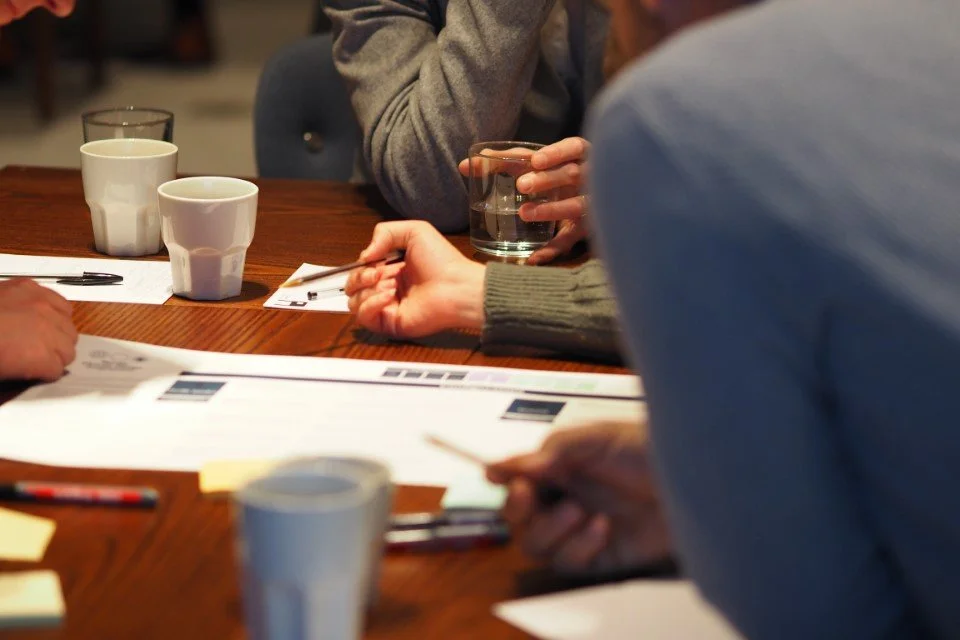
Module 1 live in Stockholm, Feb 10, 2026
If you have read our first blog post on leading circular change, you understand that we can achieve change, that we need to achieve change and that a circular economy will be beneficial both for your business and wellbeing. But how do we get there?
A useful framework is the ADKAR model (originally developed by Jeff Hiatt at Prosci):
A – Awareness
D – Desire
K – Knowledge
A – Ability
R – Reinforcement
What the model describes are the necessary steps an individual needs to go through in order to commit to a new behaviour. How can you make sure that people are aware the change is going to happen? How can you make them desire this change? How can you make sure they have the knowledge and abilities needed to make necessary changes? How can you reinforce the new behaviour?
The ADKAR model can serve as a good reminder when planning for and following up on changes that you are initiating. It can also be a useful tool to assess where to begin. Some individuals or parts of the organisation or value chain may already have reached the stage of, for example, desire. Then start by providing knowledge. And so on.
So, what about circular change specifically?
The ADKAR model for circular change management
There are many reasons why an organisation chooses to initiate a circular transition and the path to becoming circular looks different for all. The following questions could be a good starting point for triggering more specific questions that apply to the circular change that you want to achieve in your organisation.
Awareness: Are people in your management, organisation, your customers and suppliers aware of the state of the planet and the way circular products and business models can help decrease stress on the planet while staying profitable?
Desire: Do they understand the benefits they can gain from going circular? More stable revenues, more revenue per product, more stable supply flows, decreased risk of ecosystem breakdown, more convenient services, better access to funding. Do they understand the risks of not changing?
Knowledge: Do they know what is needed to go circular? How do they design circular products? Where can they find circular materials? How do you develop a profitable circular business model? How do you get customers to choose circular offers rather than linear ones?
Ability: Does your ERP system handle rentals and takeback schemes? Are you able to provide reverse logistics? Do you have the skills to assess the condition of a returned product? Do your sales platforms make it easier for customers to order circular services than to buy linear?
Reinforcement: Do you have targets and KPIs in place to follow up on circular revenue, waste generation, resource inflows and outflows? How do you motivate individuals to reach these targets and keep implementing even more circular behaviours?
About the authors:
Sofia Sundström and Elin Bergman work at Cradlenet, Sweden’s leading network for accelerating the transition to a circular economy.
Contact:
Sofia Sundström, sofia@cradlenet.se
Elin Bergman, elin@cradlenet.se
Read our previous post on leading circular change here.