Circularity at Konecranes
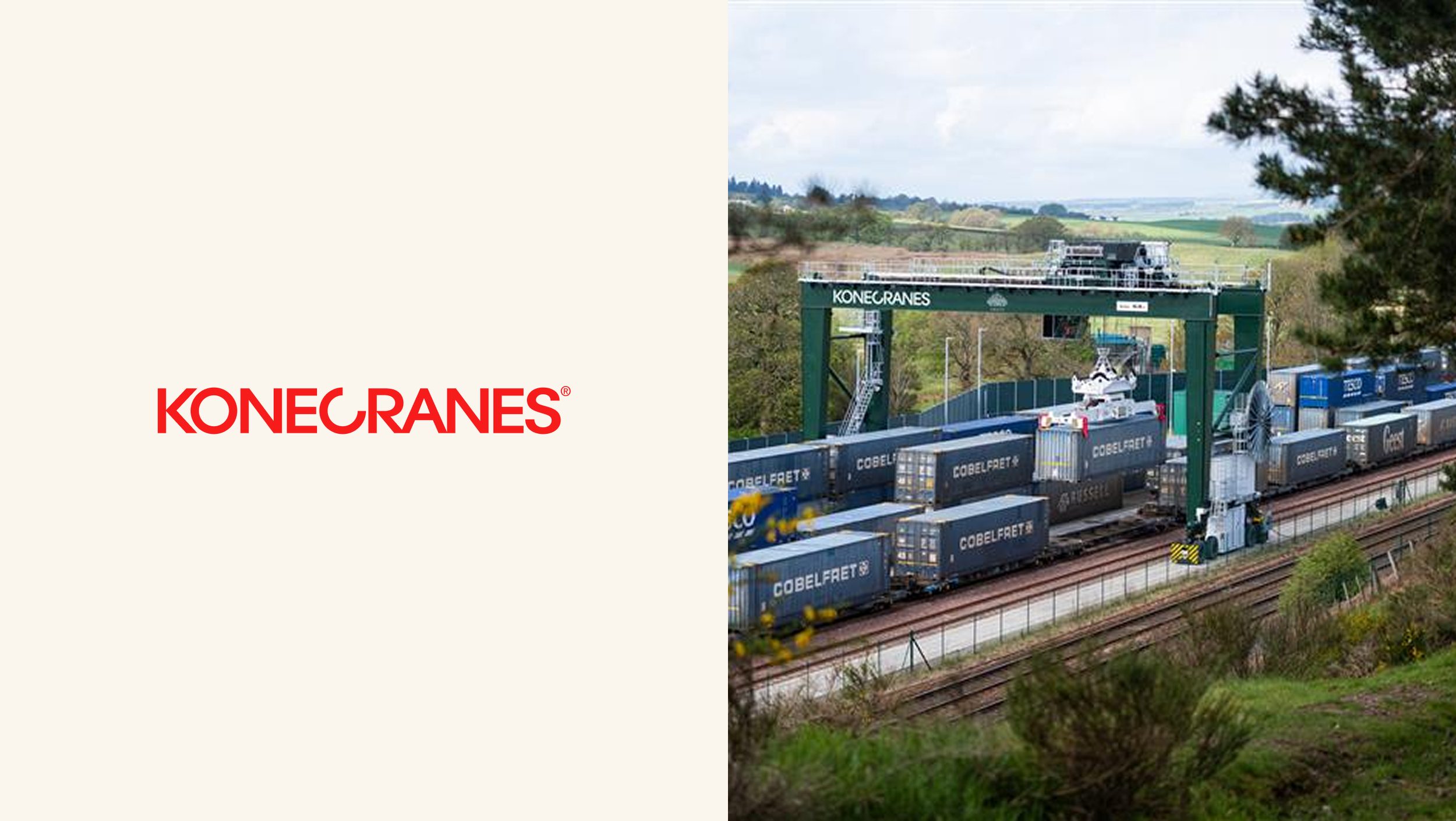
Konecranes is a global company specialising in lifting equipment and services that support customers across manufacturing, logistics, energy, and process industries. From port terminals to manufacturing plants, its equipment forms part of the infrastructure that keeps global material flows functioning day to day.
Konecranes has committed to reducing Scope 3 emissions by 50% by 2030 compared to the 2019 level. Circularity plays a central role in achieving this target, as it provides significant potential to reduce greenhouse gas emissions across the value chain. To meet the target, Konecranes is committed to enhancing resource efficiency, extending equipment lifetimes, eliminating waste, and keeping materials in circulation. In other words, with circular design, Konecranes is able to transform inefficiencies in value chains into new sources of value. These measures translate into business efficiency:
• Revenue growth from new ways to deliver value to customers
• Cost savings through resource efficiency
• Greater resilience against material scarcity and supply chain risks
Where Konecranes stands today
At present, Konecranes already has a strong foundation supporting circular practices. Around 40% of its revenue comes from services, such as predictive maintenance and spare parts, that extend equipment lifetimes. It also offers modernisations and retrofits that extend the lifetime of equipment and increase the value of that equipment in a resource‑efficient way.
Circularity is already embedded in Konecranes' service offering, as well as in its product development. Konecranes equipment is designed for long lifetimes – typically 10 to 30 years – and its design principles ensure maintainability, repairability, and upgradeability. In product development, circularity is central to the process through Konecranes’ Design for Environment concept, which involves setting measurable environmental targets from the very start of each product design, as well as through the systematic use of lifecycle assessments (LCAs).
Accelerating Circularity
While Konecranes already has many elements in place, it is still important for the company to accelerate the adoption of circularity even further. Konecranes has a concrete target to help it keep developing in this direction: it aims to assess at least three new circular business opportunities every year. These opportunities may relate to new business models, design improvements, or enhancements in its own operations.
Improvements made during product development are especially impactful. Design choices made early in the process significantly influence a product’s environmental footprint, repairability, and potential for value recovery across multiple life cycles. By participating in the Nordic Circular Design Programme, Konecranes is further developing the design process to make its business both more efficient and better for the environment.
If your company is ready to take the next step toward circularity, applications are now open for the third round of the Nordic Circular Design Programme. Learn more here or get in touch with Ethica’s Principal Consultant Paula Fontell at paula.fontell@ethica.fi.